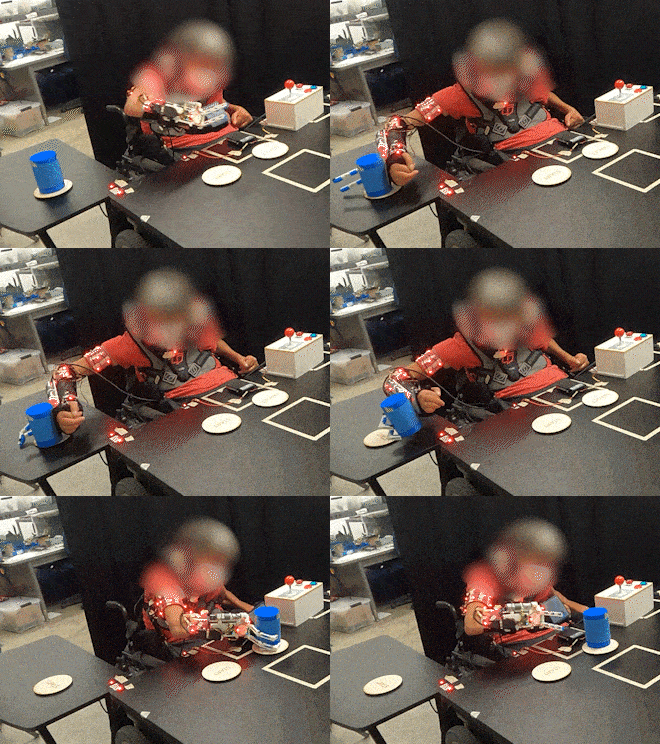
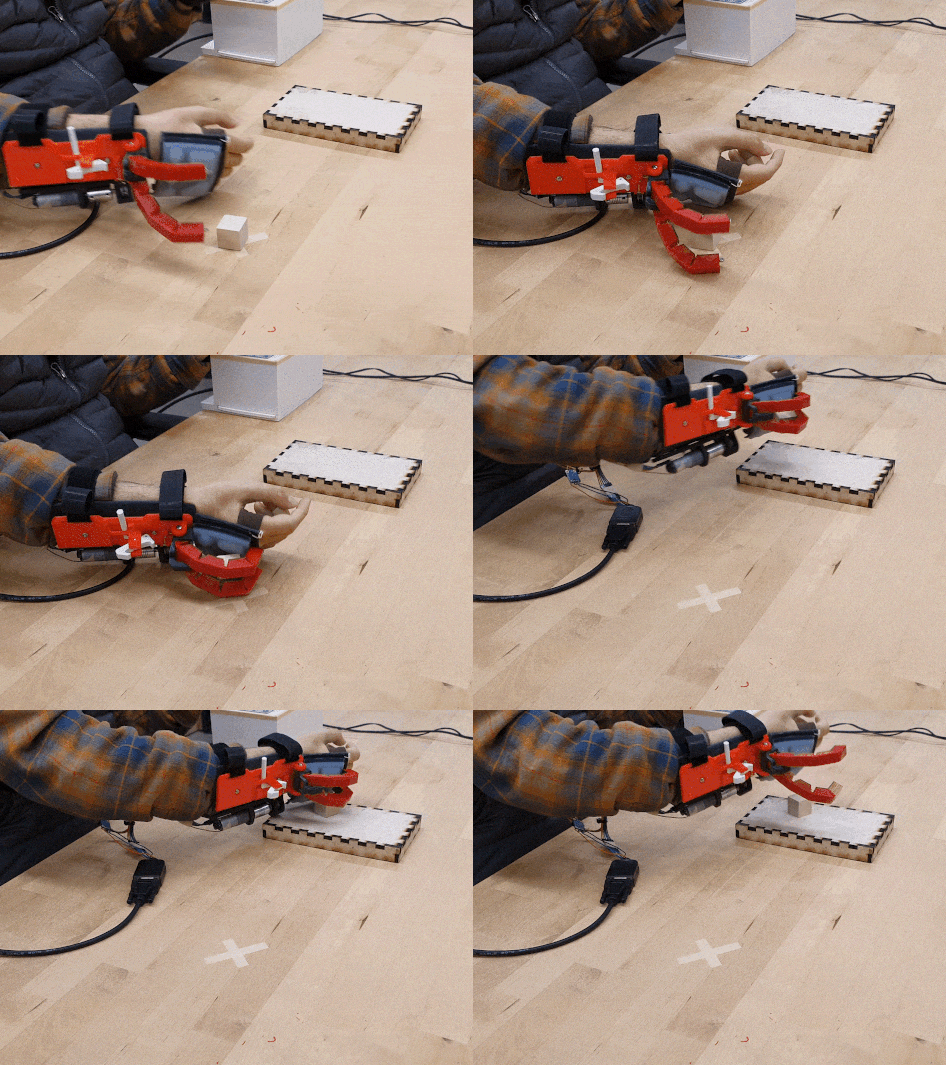
Spinal cord injuries (SCI) substantially affect sensory, motor, and autonomous functions below the level of injury, reducing the independence and quality of life for affected individuals. Specifically, people with SCI between C5 and C7 cervical levels encounter limitations in voluntary finger and wrist flexion, reducing grasp capability. Compensatory strategies like tenodesis grasp, whereby wrist extension passively closes the fingers, remain; this is effective for small and light objects but insufficient for heavier ones. Typically, wearable assistive exoskeletons are designed to actuate a person’s fingers, however, such devices are sensitive to anatomical variability, such as hand size and joint contractures. The Dorsal Grasper is a wearable device designed to address this challenge by leveraging voluntary wrist extension and providing human-robot collaborative grasping capabilities with underactuated supernumerary fingers on the back of the hand. In this study, we introduce kinematic assessment methods that we use to show how the Dorsal Grasper expands the graspable workspace and reduces trunk motion, especially in situations where the use of a wheelchair restricts the individual’s posture. Our functionally relevant experiments with multiple SCI participants demonstrate the Dorsal Grasper’s potential as a versatile assistive solution for enhancing grasping capability in individuals with distinct SCI profiles.
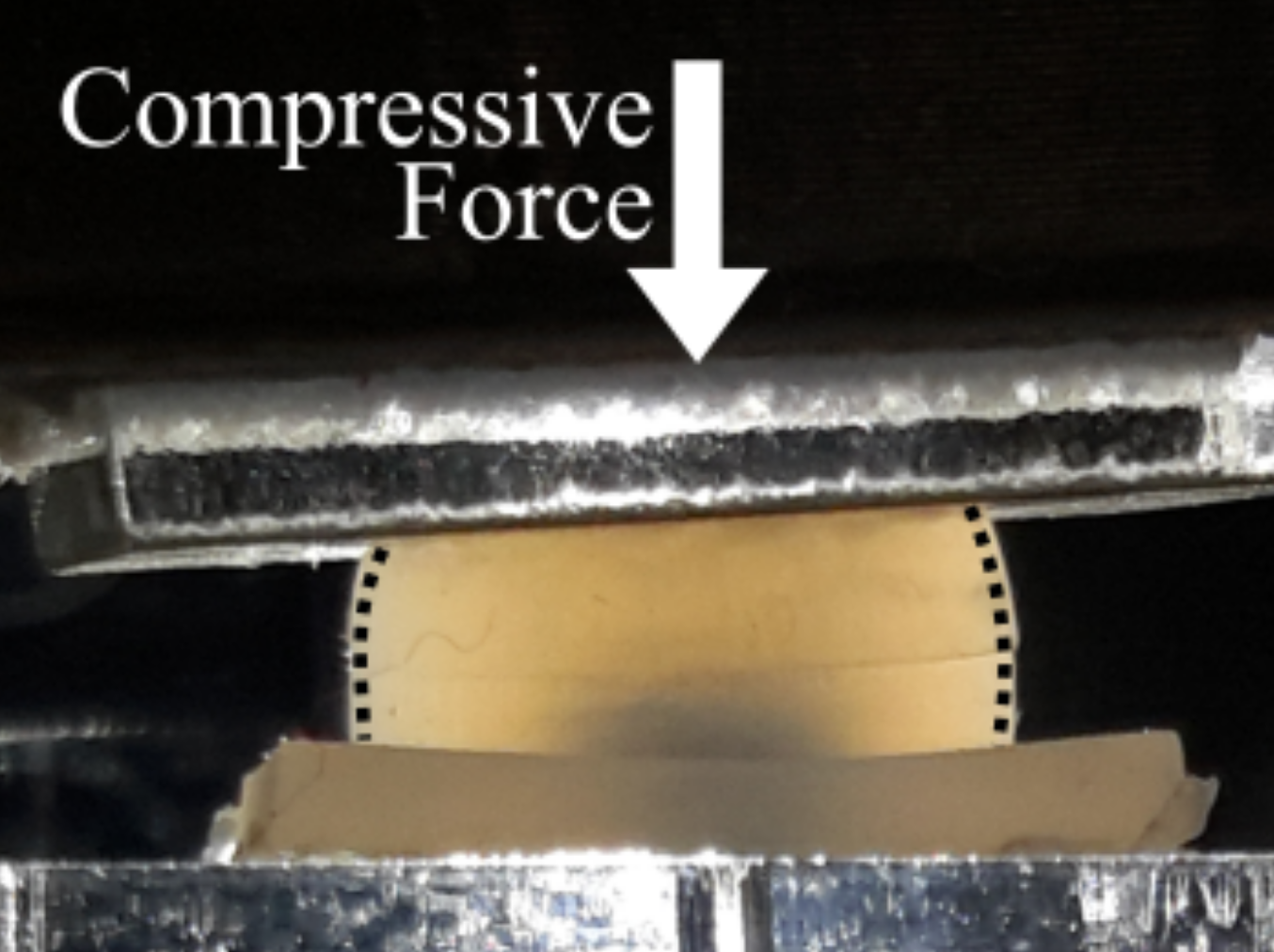
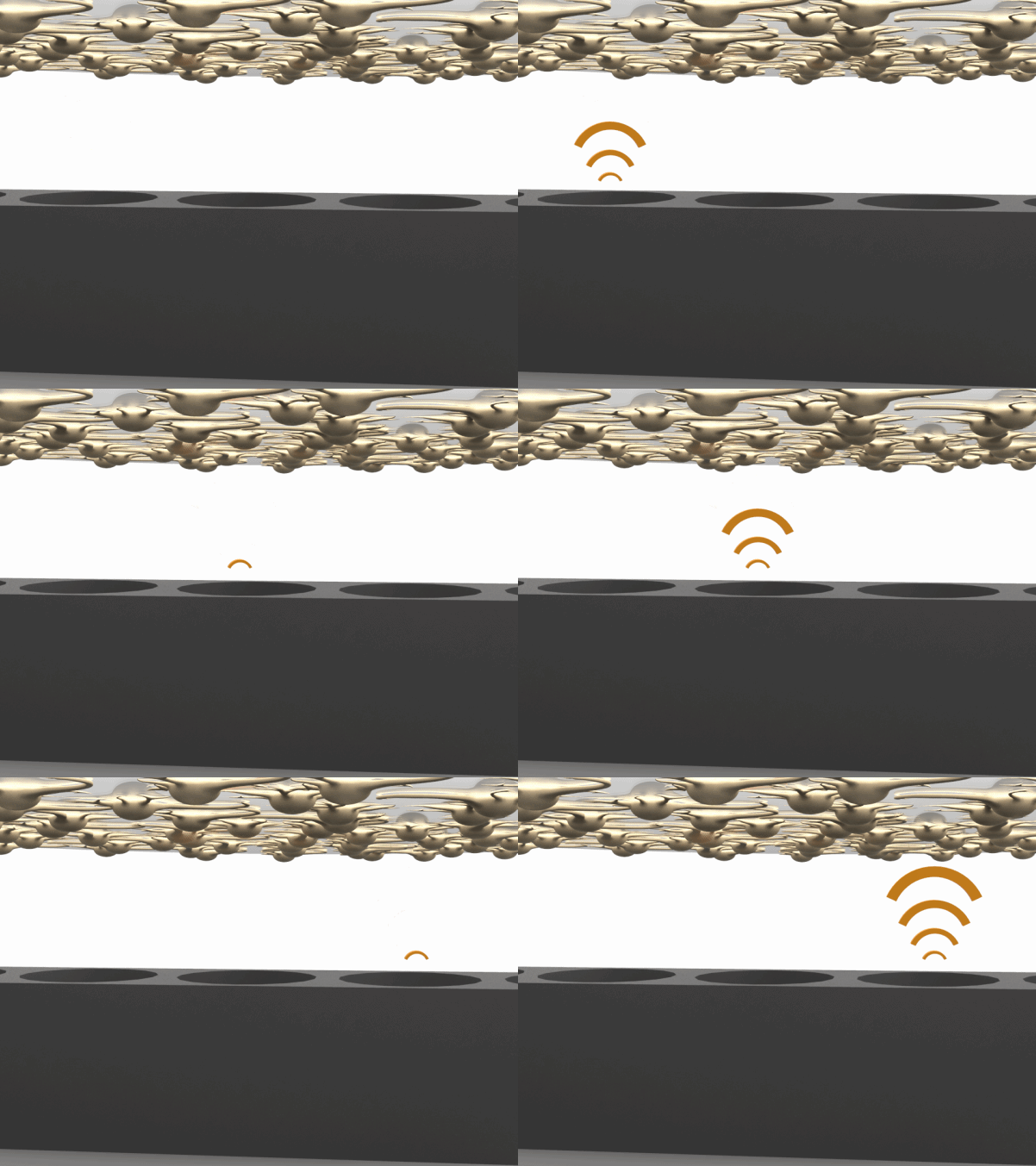
Acoustic transmission, or sound, can effectively communicate information over distances through various media. We focus on generating acoustic transmission using pneumatically driven resonators for wireless tactile sensing without the need for any electronics at the end-effector or contact point. We explore the relationship between emitted frequency and the geometry of the resonance chamber. When a normal compressive force is applied to the end cap, the compliant resonant cavity deforms, leading to an increase in frequency measurable by an external microphone. Prior work uses tube resonators with fipple attachments. In the present work, we study whether a different smaller audible cylindrical resonator with air blown across the entryway can be utilized instead. We test the utility of the Helmholtz resonator model in predicting the experimental frequency response. Resonance is often modeled for rigid cavities, presenting unique challenges in predicting resonance for the design of soft resonating taxels.
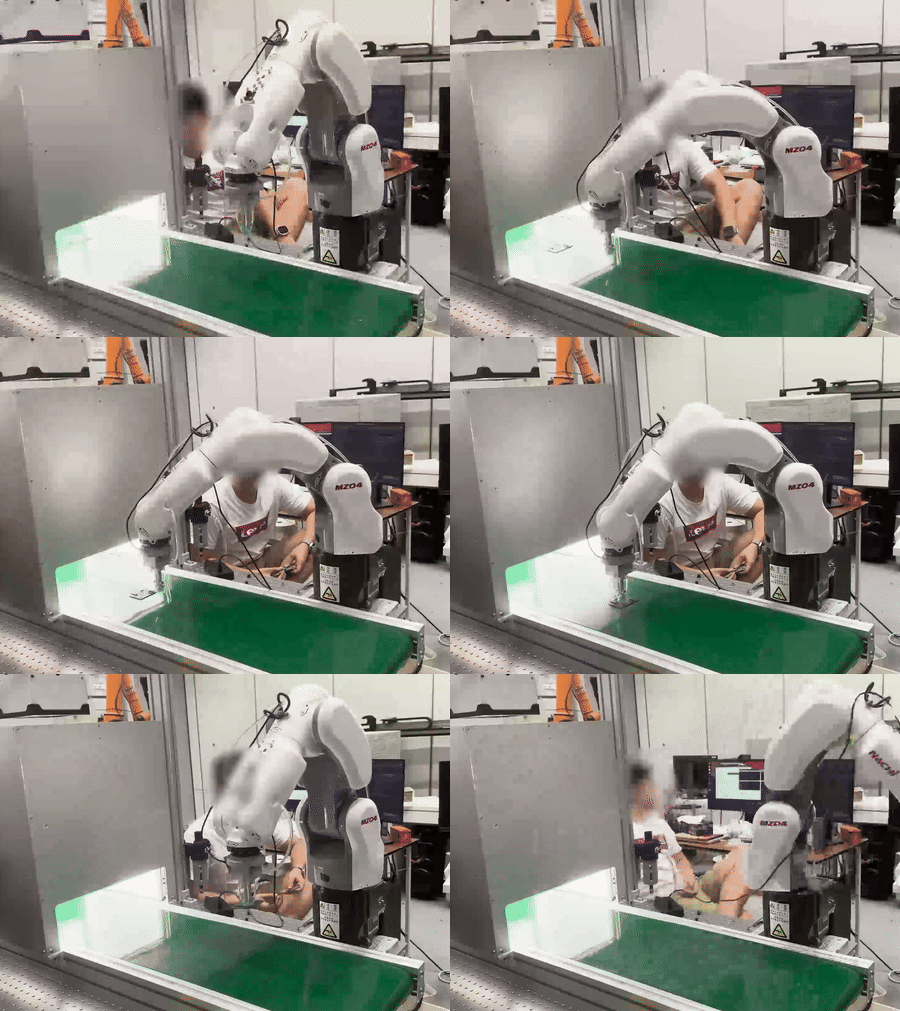
Suction cups are an important gripper type in industrial robot applications, and the prior literature focuses on using vision-based planners to improve grasping success in these tasks. Vision-based planners can fail due to adversarial objects or lose generalizability for unseen scenarios, without retraining learned algorithms. In this article, we propose haptic exploration to improve suction cup grasping when visual grasp planners fail. We present the smart suction cup, an end effector that utilizes internal flow measurements for tactile sensing. We show that model-based haptic search methods, guided by these flow measurements, improve grasping success by up to 2.5× as compared with using only a vision planner during a bin-picking task. In characterizing the smart suction cup on both geometric edges and curves, we find that flow rate can accurately predict the ideal motion direction even with large postural errors. The smart suction cup includes no electronics on the cup itself, such that the design is easy to fabricate and haptic exploration does not damage the sensor. This work motivates the use of suction cups with autonomous haptic search capabilities in especially adversarial scenarios.
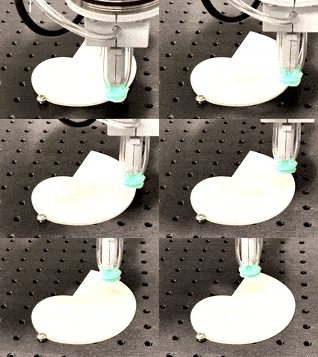
The Smart Suction Cup is a tactile sensing and gripping system designed to enhance pick-and-place operations in industrial settings. While previous research has primarily focused on utilizing this technology for haptic search in cases of initial grasp failure, this study introduces a novel application: following contours. This function is already established as an important function for object recognition and grasp planning – substantiated by numerous works using other tactile sensors. Here, we explore contour following for a flow-based tactile sensor because it is not susceptible to visual occlusions nor tactile sensor wear. Experimental validation demonstrates the Smart Suction Cup’s ability to track edges at different speeds and navigate various planar contours, showcasing rapid and robust tracking of edges. Notably, the Smart Suction Cup can reliably operate at a speed of 3 cm/s. This is one step towards the adoption of the Smart Suction Cup for real-world applications.
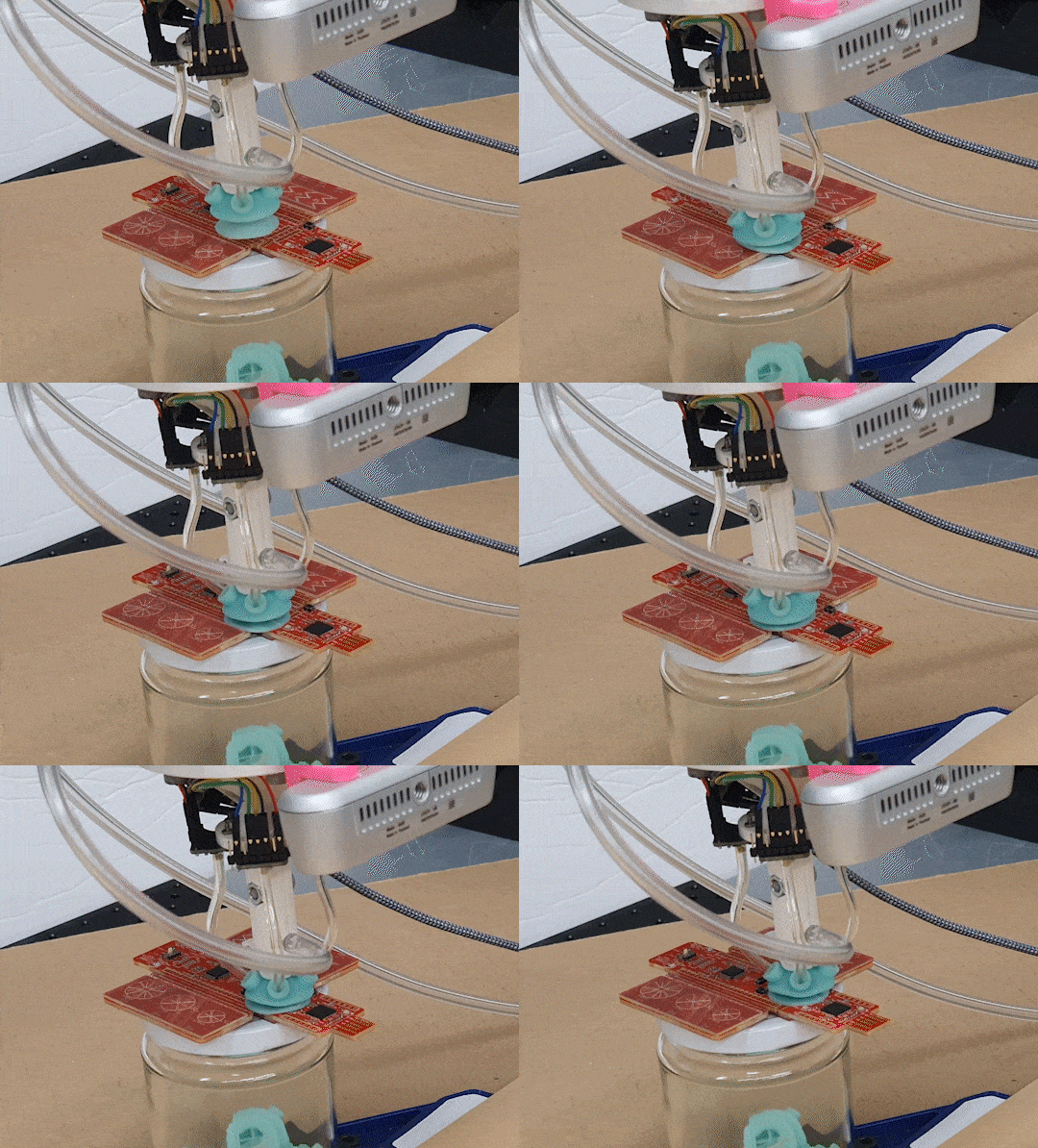
The disposal of waste electrical and electronic equipment (WEEE) presents a sustainability challenge, particularly for waste printed circuit boards (PCBs). PCBs are challenging to sort out from other waste materials in part because traditional industrial end-effectors struggle to reliably grip these irregularly shaped objects with unmodeled surface-mounted components. Vision-based separators, while effective for object categorization, face challenges with identifying precise grasp points on PCB surfaces. This paper studies regrasping control to enhance suction cup grasping performance on PCBs, addressing issues arising from uneven surfaces and intricate features that interfere with suction sealing. We categorize PCBs into two recycling levels – with large surface features intact or removed – and conduct experiments on both stationary and conveyor belt setups with realistic vision-based grasp planners. Results show that jumping regrasping improves pick-and-place success rate. Haptically driven jumping – using the Smart Suction Cup – is especially useful for unprocessed waste PCBs with large surface mount parts. The proposed method offers a promising solution to enhance the efficiency and reliability of robotic grasping in recycling applications.
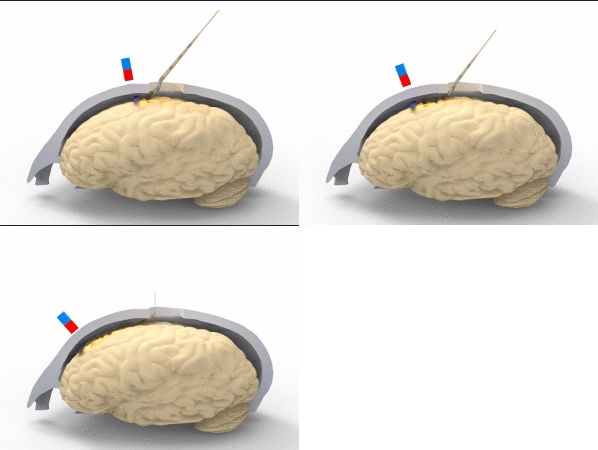
The minimal invasiveness of electrocorticography (ECoG) enabled its widespread use in clinical areas as well as in neuroscience research. However, most existing ECoG arrays require that the entire surface area of the brain that is to be recorded be exposed through a large craniotomy. We propose a device that overcomes this limitation, i.e., a minimally invasive, polyimide-based flexible array of electrodes that can enable the recording of ECoG signals in multiple regions of the brain with minimal exposure of the surface of the brain. Magnetic force-assisted positioning of a flexible electrode array enables recording from distant brain regions with a small cranial window. Also, a biodegradable organic compound used for attaching a magnet on the electrodes allows simple retrieval of the magnet. We demonstrate with an in vivo chronic recording that an implanted ECoG electrode array can record ECoG signals from the visual cortex and the motor cortex during a rat’s free behavior. Our results indicate that the proposed device induced minimal damage to the animal. We expect the proposed device to be utilized for experiments for large-scale brain circuit analyses as well as clinical applications for intra-operative monitoring of epileptic activity.
The Dorsal Grasper, an assistive wearable grasping device, incorporates supernumerary fingers and an artificial palm with the forearm and back of the hand, respectively. It enables power wrap grasping and adduction pinching with its V-shaped soft fingers. Designed with C6/C7 spinal cord injury in mind, it takes advantage of active wrist extension that remains in this population after injury. We propose that allowing the operator to actively participate in applying grasp forces on the object, using the back of the hand, enables intuitive, fast and reliable grasping relevant for the execution of activities of daily living. Functional grasping is tested in three normative subjects and a person with C6 SCI using the Grasp and Release Test. Results indicate that this device provides promising performance on a subset of objects that complements the existing compensatory strategies used by people with C6/C7 SCI. We find that the addition of the artificial palm is important for increasing maximum grip strength, by increasing contact friction and protecting the opisthenar.
2019
Curr. Biol.
Ultrasonic neuromodulation via astrocytic TRPA1
Soo-Jin Oh, Jung Moo Lee, Hyun-Bum Kim, and 8 more authors
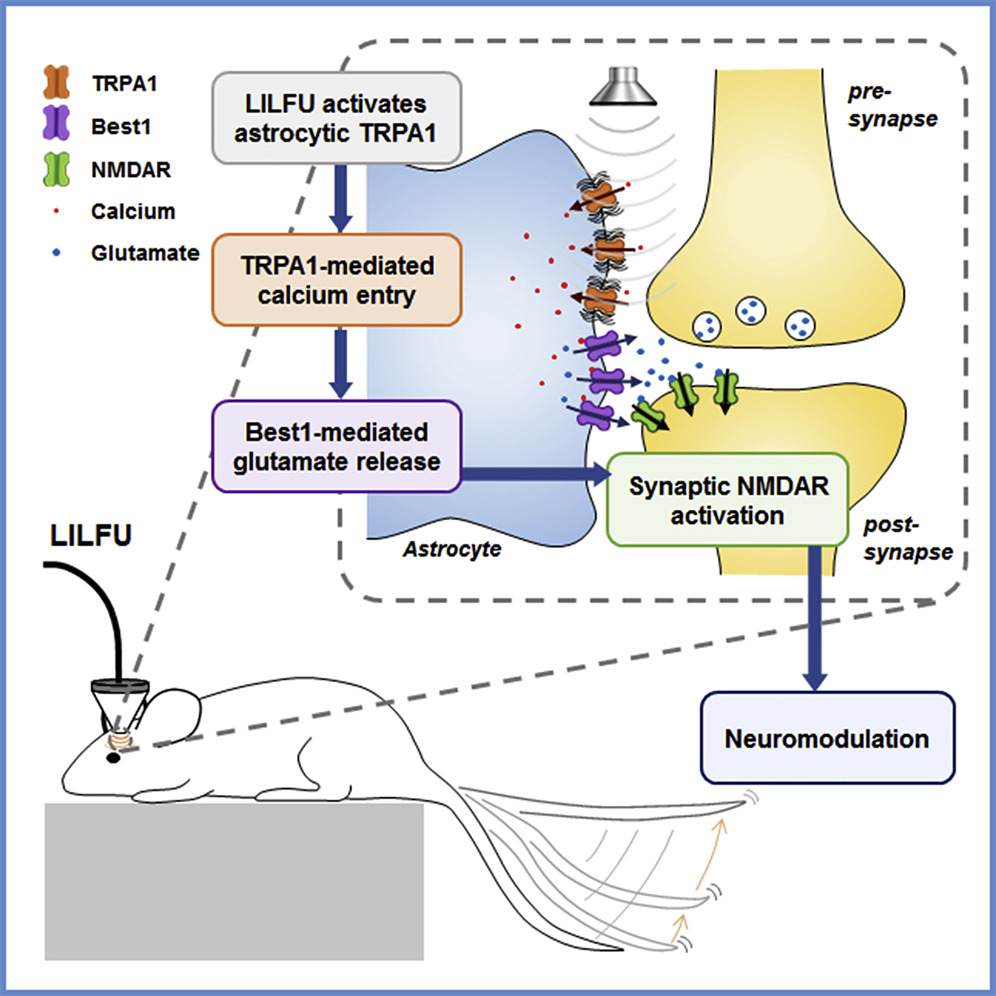
Low-intensity, low-frequency ultrasound (LILFU) is the next-generation, non-invasive brain stimulation technology for treating various neurological and psychiatric disorders. However, the underlying cellular and molecular mechanism of LILFU-induced neuromodulation has remained unknown. Here, we report that LILFU-induced neuromodulation is initiated by opening of TRPA1 channels in astrocytes. The Ca2+ entry through TRPA1 causes a release of gliotransmitters including glutamate through Best1 channels in astrocytes. The released glutamate activates NMDA receptors in neighboring neurons to elicit action potential firing. Our results reveal an unprecedented mechanism of LILFU-induced neuromodulation, involving TRPA1 as a unique sensor for LILFU and glutamate-releasing Best1 as a mediator of glia-neuron interaction. These discoveries should prove to be useful for optimization of human brain stimulation and ultrasonogenetic manipulations of TRPA1.
Microsyst. Nanoeng.
A MEMS ultrasound stimulation system for modulation of neural circuits with high spatial resolution in vitro
Jungpyo Lee^*, Kyungmin Ko^*, Hyogeun Shin, and 8 more authors
Neuromodulation by ultrasound has recently received attention due to its noninvasive stimulation capability for treating brain diseases. Although there have been several studies related to ultrasonic neuromodulation, these studies have suffered from poor spatial resolution of the ultrasound and low repeatability with a fixed condition caused by conventional and commercialized ultrasound transducers. In addition, the underlying physics and mechanisms of ultrasonic neuromodulation are still unknown. To determine these mechanisms and accurately modulate neural circuits, researchers must have a precisely controllable ultrasound transducer to conduct experiments at the cellular level. Herein, we introduce a new MEMS ultrasound stimulation system for modulating neurons or brain slices with high spatial resolution. The piezoelectric micromachined ultrasonic transducers (pMUTs) with small membranes (sub-mm membranes) generate enough power to stimulate neurons and enable precise modulation of neural circuits. We designed the ultrasound transducer as an array structure to enable localized modulation in the target region. In addition, we integrated a cell culture chamber with the system to make it compatible with conventional cell-based experiments, such as in vitro cell cultures and brain slices. In this work, we successfully demonstrated the functionality of the system by showing that the number of responding cells is proportional to the acoustic intensity of the applied ultrasound. We also demonstrated localized stimulation capability with high spatial resolution by conducting experiments in which cocultured cells responded only around a working transducer.
2018
J. Colloid Interf. Sci.
Facile approach to synthesize highly fluorescent multicolor emissive carbon dots via surface functionalization for cellular imaging
Aniruddha Kundu, Jungpyo Lee, Byeongho Park, and 6 more authors
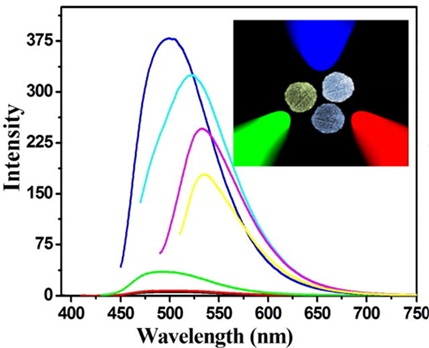
Luminescent nanomaterials are encouraging scaffolds for diverse applications such as chemical sensors and biosensors, imaging, drug delivery, diagnostics, catalysis, energy, photonics, medicine, and so on. Carbon dots (CDs) are a new class of luminescent carbonaceous nanomaterial that have appeared recently and reaped tremendous scientific interest. Herein, we have exploited a simple approach to prepare tuneable and highly fluorescent CDs via surface functionalization. The successful synthesis of CDs is manifested from several investigations like high-resolution transmission electron microscopy (HRTEM), X-ray diffraction (XRD), Fourier transform infrared spectroscopy (FTIR) and X-ray photoelectron spectroscopy (XPS). The CDs exhibit excellent water solubility and with increasing nitrogen content fluorescence quantum yield increases whereas cell toxicity decreases. The CD synthesized at high temperature (180 °C) shows very high quantum yield (more than 56%). The tuneable optical properties of CDs are systematically studied using UV-vis and fluorescence spectroscopy. The cell viability evaluation and in vitro imaging study reveals that the synthesized CDs can be employed as a potential fluorescent probe for bio-imaging without further modification.
2017
ACS Appl. Mater. Int.
Amorphous phosphorus-incorporated cobalt molybdenum sulfide on carbon cloth: an efficient and stable electrocatalyst for enhanced overall water splitting over entire pH values
Chaiti Ray, Su Chan Lee, Kalimuthu Vijaya Sankar, and 4 more authors
The development of economical, proficient, and highly stable catalysts to substitute the expensive noble metal electrodes for electrocatalytic water-splitting applications is exceedingly desirable. In this context, the most fascinating and challenging approach is the rational design of a nanocomposite encompassing multiple components with unique functionalities. Herein, we describe the fabrication of a strongly catalytic and superb durable phosphorus-incorporated cobalt molybdenum sulfide electrocatalyst grown on carbon cloth (P-CoMoS/CC). The hybrid material exhibited excellent activity for hydrogen and oxygen evolution reactions over a wide range of pH (1–14) with extremely high stability (∼90% retention of the initial current density) after 24 h of electrolysis. Importantly, when P-CoMoS/CC was used as both cathode and anode for overall water splitting, a very low cell voltage of 1.54 V is required to attain the 10 mA cm–2 current density, and the hybrid material exhibited a long-term stability (89.8% activity retention after 100 h). The outstanding overall water-splitting performance compared to an electrolyzer consisting of the noble-metal-based catalysts Pt/C and RuO2 makes P-CoMoS one of the most efficient earth-abundant water-splitting catalysts. Phosphorus incorporation was proved to be a vital aspect for the improved charge-transfer properties and catalytic durability of the P-CoMoS/CC catalyst.
2016
Sci. Rep.
Graphene-iodine nanocomposites: highly potent bacterial inhibitors that are bio-compatible with human cells
Surajit Some, Ji Soo Sohn, Junmoo Kim, and 8 more authors
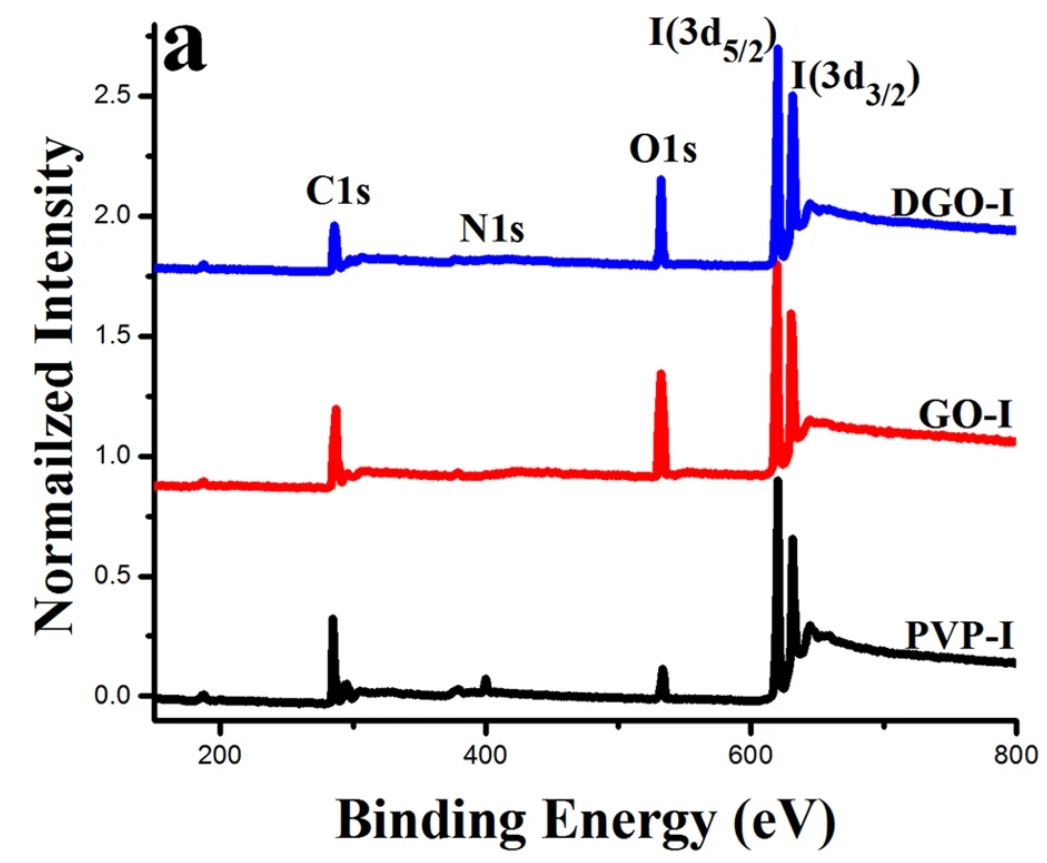
Graphene-composites, capable of inhibiting bacterial growth which is also bio-compatible with human cells have been highly sought after. Here we report for the first time the preparation of new graphene-iodine nano-composites via electrostatic interactions between positively charged graphene derivatives and triiodide anions. The resulting composites were characterized by X-ray photoemission spectroscopy, UV-spectroscopy, Raman spectroscopy and Scanning electron microscopy. The antibacterial potential of these graphene-iodine composites against Klebsiella pneumonia, Pseudomonas aeruginosa, Proteus mirobilis, Staphylococcus aureus and E. coli was investigated. In addition, the cytotoxicity of the nanocomposite with human cells [human white blood cells (WBC), HeLa, MDA-MB-231, Fibroblast (primary human keratinocyte) and Keratinocyte (immortalized fibroblast)], was assessed. DGO (Double-oxidizes graphene oxide) was prepared by the additional oxidation of GO (graphene oxide). This generates more oxygen containing functional groups that can readily trap more H+, thus generating a positively charged surface area under highly acidic conditions. This step allowed bonding with a greater number of anionic triiodides and generated the most potent antibacterial agent among graphene-iodine and as-made povidone-iodine (PVP-I) composites also exhibited nontoxic to human cells culture. Thus, these nano-composites can be used to inhibit the growth of various bacterial species. Importantly, they are also very low-cytotoxic to human cells culture.
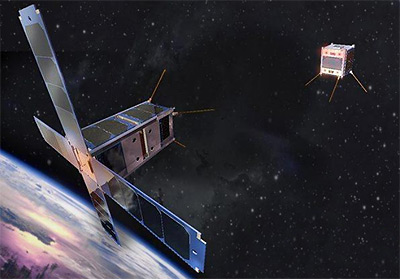
CANYVAL-X mission is developed for demonstrating a virtual telescope alignmentsystem. The main objective of this mission is to build an inertial alignment of a virtualtelescope with respect to the Sun during a few minutes by using two CubeSats, Tom(2U) andJerry(1U). Inertial alignment is to maintain relative position and relative attitude of the twosatellites with respect to the target object. For achieving the inertial alignment, a visionalignment system, relative position control with thruster, relative orbit determination withinter-satellite link system and satellite separation system need to be developed. This studypresents an overview of the mission concept and configuration systems of Tom and Jerry.
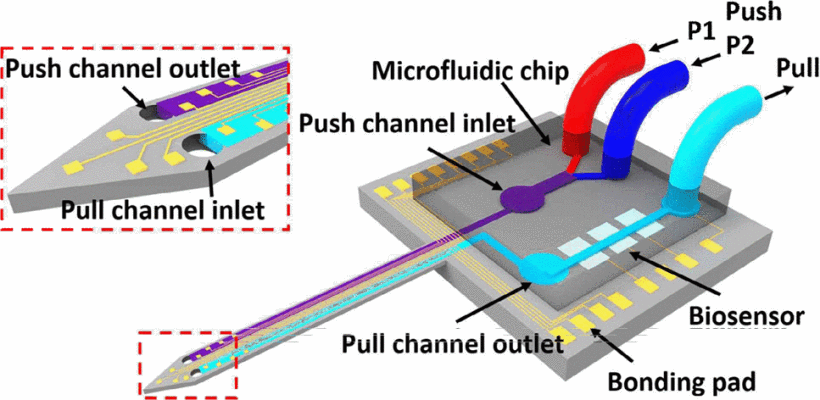
We present a new MEMS neural probe integrated with two microfluidic channels, a mixer, and biosensors for real-time monitoring of neurochemicals and neural activities. The microfluidic channels for push-pull operation of fluids enable infusion of drugs and extraction of brain fluid at the same time. Also, we can simultaneously monitor neural activities modulated by the infused drug. The real-time monitoring of neurochemicals using the monolithically integrated sensors is a new concept we propose which is enabled through the MEMS technology. The proposed system will provide an important new set of information for brain disease investigation and functional brain-mapping.